Flat Roof Installations
Get a Free Quote For Your Project
Professional Flat Roofs
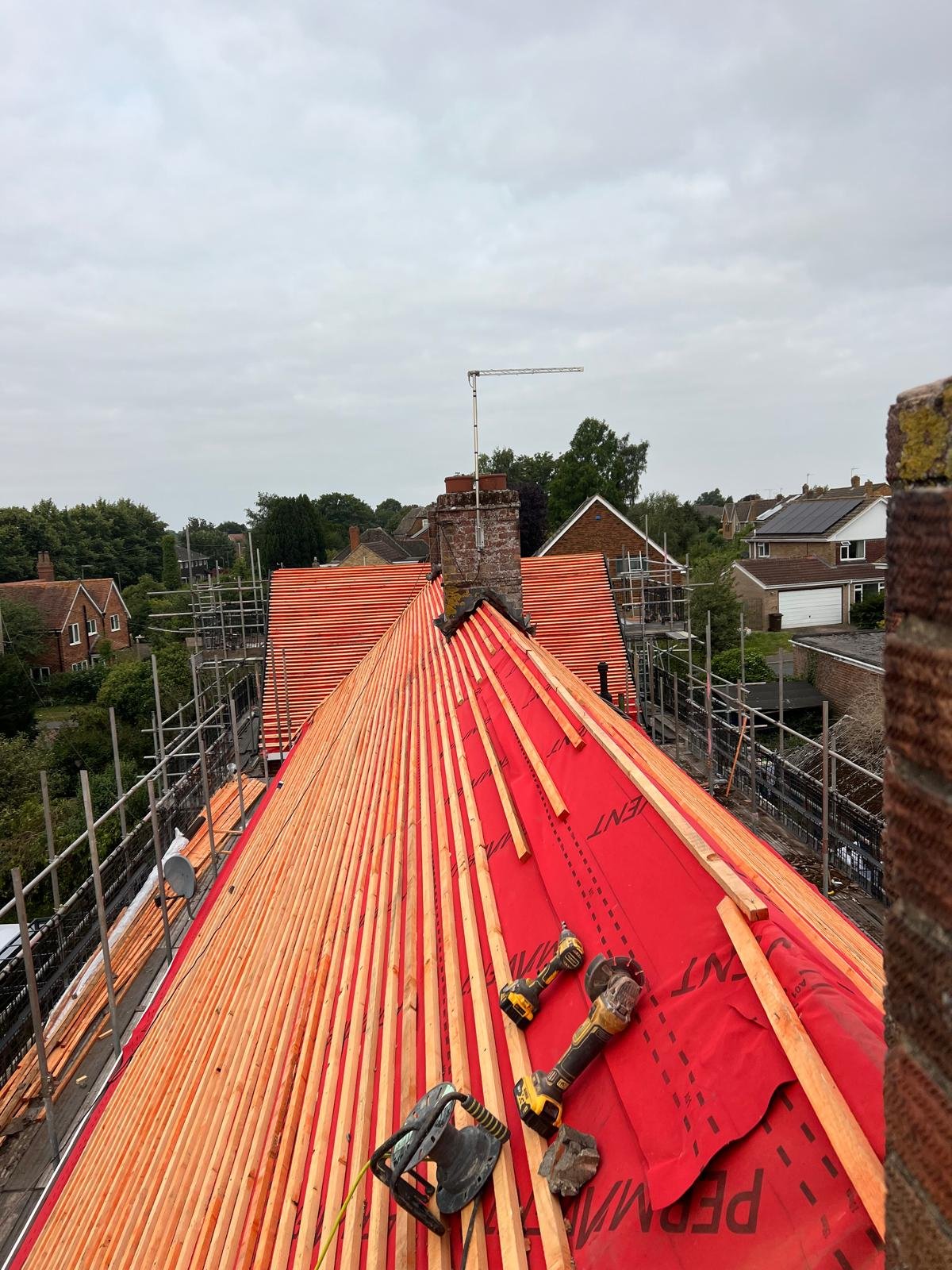
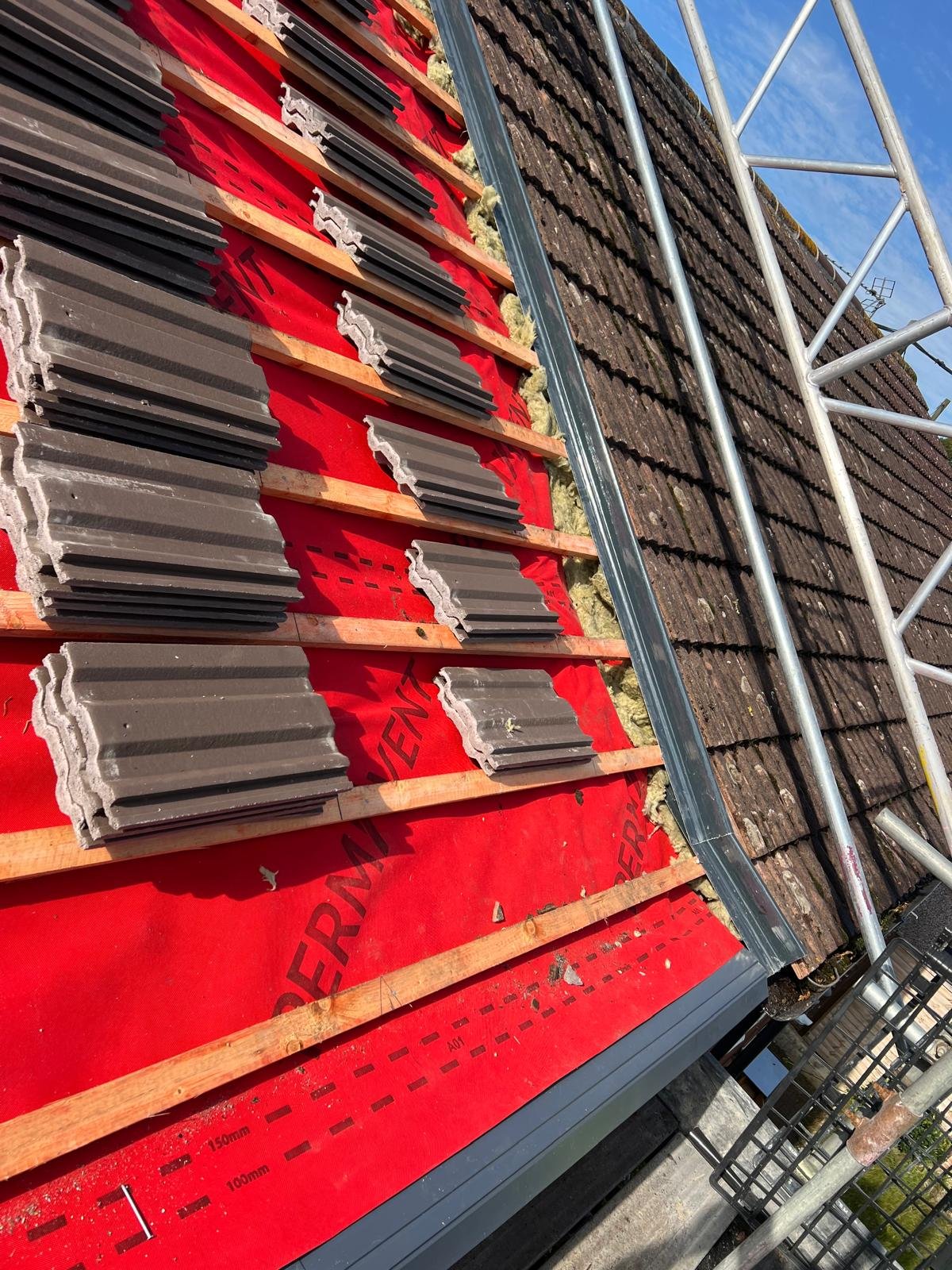
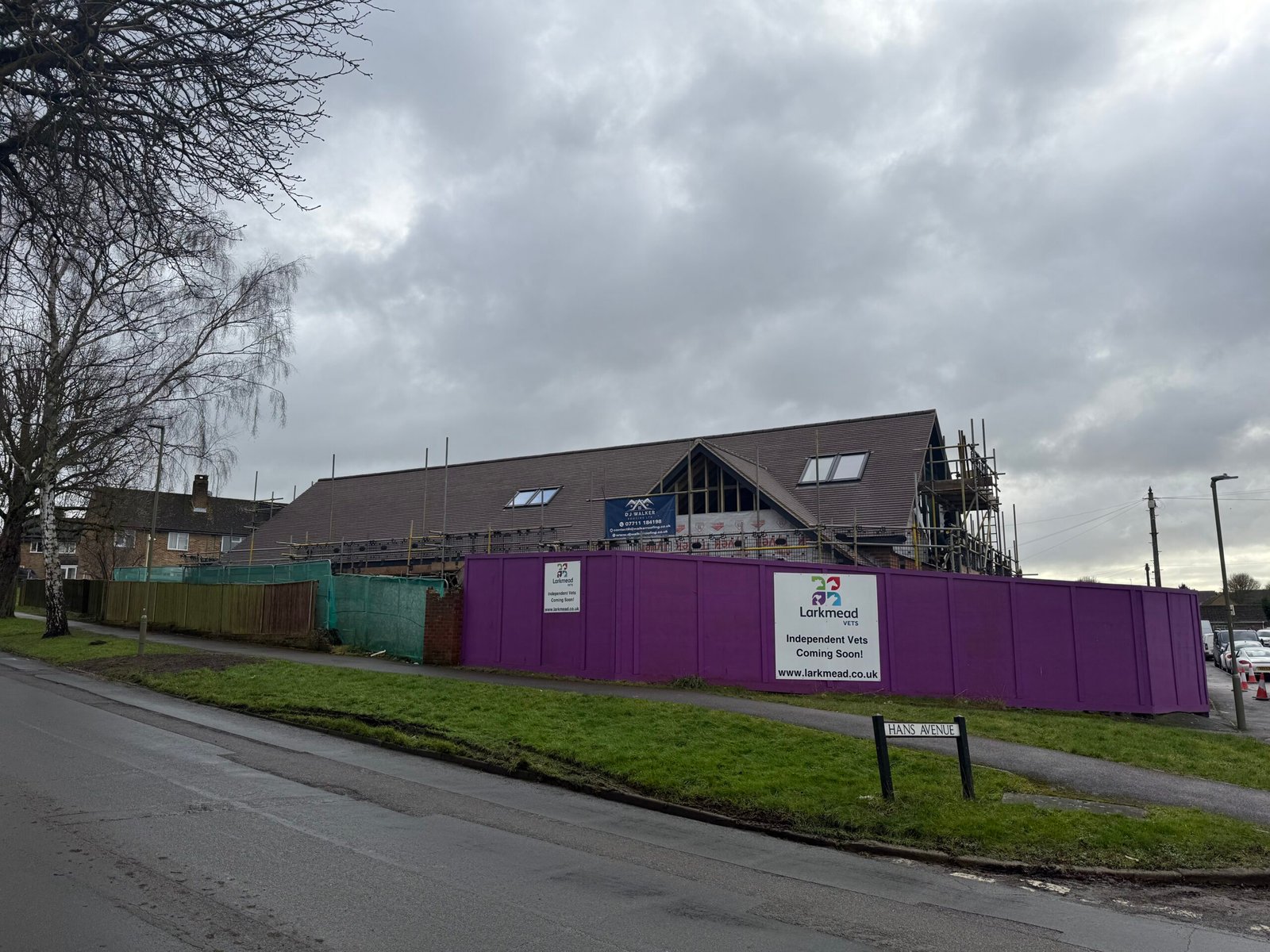
DJ Walker Roofing specialises in high-performance EPDM flat roofing for commercial buildings, residential homes, and extensions. Our expert team tailors every installation to your property’s specific needs, using industry-leading materials designed for durability.
Every EPDM project we complete is backed by a full manufacturer guarantee issued at the time of installation—giving you a seamless, weather-tight solution that’s built to last for decades.
Professional Flat Roofs
We don’t use a “one size fits all” approach because every building is different. At Dj Walker Roofing, our process is straightforward: we sit down with you to understand your specific goals, your budget, and your deadline before any work begins.
-
Tailored Recommendations: We suggest the specific materials and roofing systems that make sense for your property, whether it is a private home or a commercial building.
-
Expert Application: We use our industry experience to ensure the installation is done correctly and meets your exact requirements.
-
Focused on Your Needs: Our priority is delivering a reliable, high-quality roof that fits your project’s unique constraints and expectations.
Call for A Quote



Speak to us today to find out more.
FAQ
What is the best material for a modern flat roof?
While traditional felt is still an option, modern systems like EPDM (rubber) and GRP (fiberglass) have become the industry standard due to their seamless finish and durability. EPDM is highly flexible and UV-resistant, making it less likely to crack over time. GRP is incredibly tough and ideal for roofs that may see occasional foot traffic, such as balconies. We assess your specific structure to recommend the system that offers the best balance of longevity and cost.
How long should I expect a flat roof to last?
The days of flat roofs leaking after just 10 years are over. A professionally installed EPDM or GRP roof typically carries a lifespan of 25 to 30 years, and often longer with minimal maintenance. The key to this longevity is the move away from multiple seams; by using large-format membranes or liquid-applied resins, we eliminate the joints where traditional roofs usually fail.
Why is water pooling on my flat roof?
This is known as “ponding.” It usually occurs due to poor structural “fall” (the slight slope required to guide water to the gutters) or because the roof timber has sagged over time. While small amounts of evaporated water are normal, deep ponds can put unnecessary weight on the structure and accelerate the degradation of the membrane. We often install tapered insulation boards during a replacement to create a natural slope and ensure proper drainage.
Can I walk on my flat roof?
Standard flat roofs are designed for occasional maintenance access only. If you intend to use your flat roof as a balcony, terrace, or for heavy plant equipment, it must be reinforced during the design phase. For these instances, we typically recommend a heavy-duty GRP system with a non-slip topcoat or a specific promenade tile finish to ensure the waterproof layer isn’t punctured by foot traffic.
How do I know if my flat roof is leaking before it drips through the ceiling?
Internal damp patches are the obvious sign, but you can often spot trouble earlier from the outside. Look for “alligatoring” (cracks that look like reptile skin) on old bitumen roofs, or bubbles and blisters in the surface. If you notice the ceiling feeling “spongy” to the touch or see mold growth in the corners of the room below, it is likely that moisture is trapped within the roof’s deck or insulation.
What is the difference between a "cold" and a "warm" flat roof?
A “cold roof” has insulation placed between the rafters, leaving a gap for ventilation. A “warm roof” places the insulation on top of the structural decking, keeping the entire structure at a temperature similar to the interior of the building. Warm roofs are highly recommended today because they eliminate the risk of interstitial condensation and are significantly more thermally efficient, helping to lower your heating bills.
Contact Us
CONTACT INFO
ACCREDITATIONS