Leadworks
Get a Free Quote For Your Project
Professional Leadworks
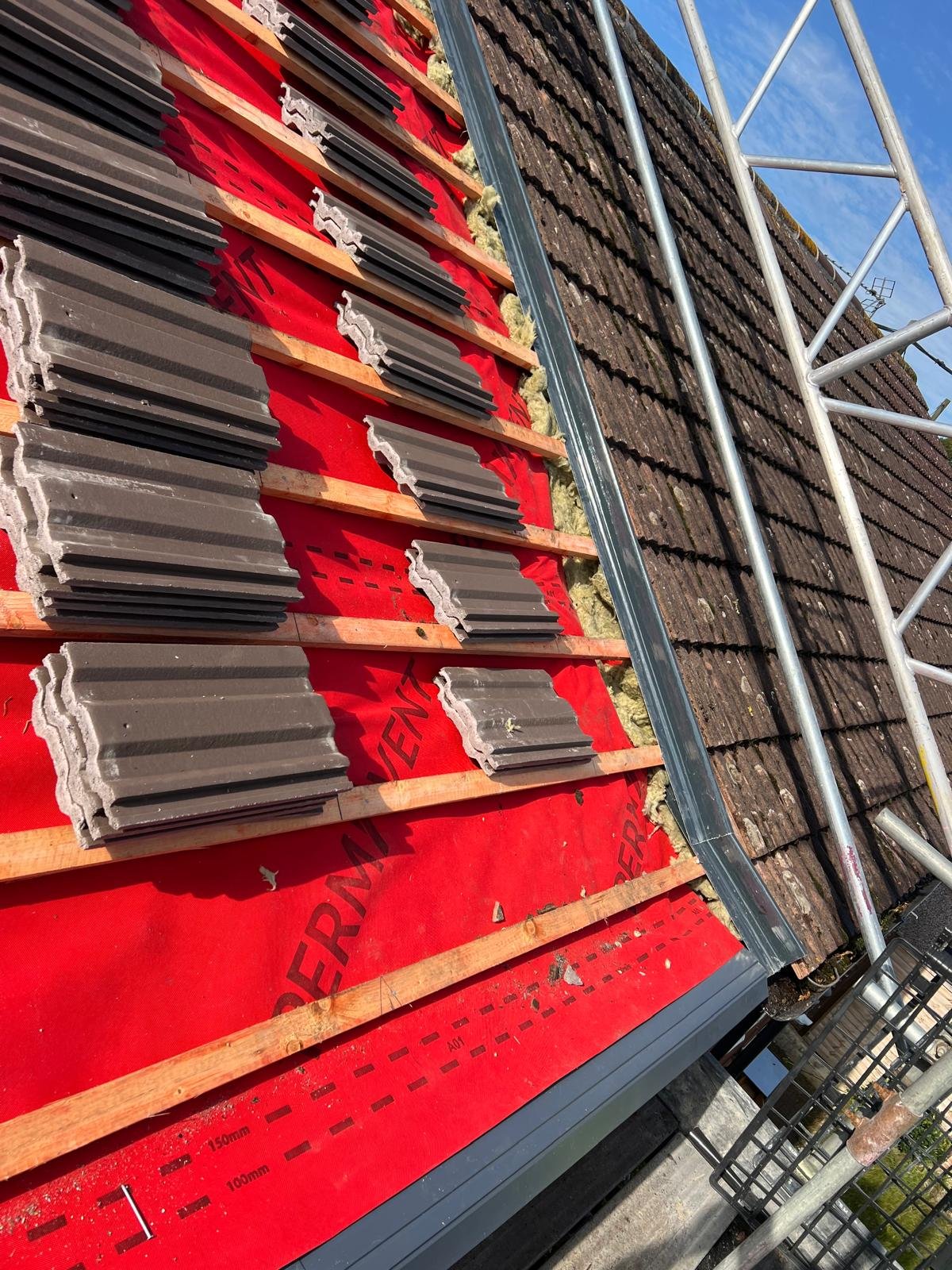
Mastering leadwork is an art form, and at DJ Walker Roofing, we treat it as such. Our specialists don’t just “fit” lead; we provide bespoke lead welding and fabrication that blends traditional English craftsmanship with modern technical standards.
From intricate flashings on period restorations to high-spec finishes on new developments, our attention to detail is what sets us apart. We don’t guess—we plan. Every project begins with a dedicated site visit and a clear strategy to ensure your leadwork is as functional as it is flawless.
Professional Leadworks
We don’t use a “one size fits all” approach because every building is different. At Dj Walker Roofing, our process is straightforward: we sit down with you to understand your specific goals, your budget, and your deadline before any work begins.
-
Tailored Recommendations: We suggest the specific materials and roofing systems that make sense for your property, whether it is a private home or a commercial building.
-
Expert Application: We use our industry experience to ensure the installation is done correctly and meets your exact requirements.
-
Focused on Your Needs: Our priority is delivering a reliable, high-quality roof that fits your project’s unique constraints and expectations.
Call for A Quote



Speak to us today to find out more.
FAQ
Why is lead still used in modern roofing?
Lead remains the industry gold standard because of its extreme longevity and flexibility. Unlike plastic or synthetic flashing, lead can be dressed and bossed to fit the complex contours of chimneys, dormers, and roof valleys perfectly. When installed according to LSTA (Lead Sheet Training Academy) standards, leadwork can easily last over 100 years, making it one of the most cost-effective materials over the building’s lifetime.
What do the different "codes" of lead mean?
Lead is categorized by “codes” which refer to the thickness and weight of the sheet per square foot. Code 3 is typically used for light soakers, while Code 4 and 5 are the standard for flashings and vertical cladding. For flat roof coverings or large gutters, we use Code 6, 7, or 8 to handle the increased thermal expansion and contraction. Using the correct code is vital; if the lead is too thin for the application, it will fatigue and crack prematurely.
Why is my lead flashing showing white powdery stains?
This white powder is known as lead carbonate, which forms when new lead is exposed to moisture and carbon dioxide. While it’s a natural chemical reaction, the “run-off” can permanently stain your roof tiles or brickwork. To prevent this, we apply a coat of patination oil immediately after installation. This oil protects the lead while it develops its natural protective gray patina, ensuring your roof stays looking clean.
Can lead be repaired, or does it always need replacing?
Small cracks can sometimes be repaired using specialized lead welding (burning) techniques to fuse a new piece of lead over the damaged area. However, “patching” with bitumen tape or sealants is only a temporary fix and often traps moisture, accelerating decay. If the lead has become brittle or has “thinned” significantly due to age, a full replacement is usually the only way to guarantee a watertight seal.
Why is my lead flashing "buckling" or cracking in the middle?
This is usually caused by “over-fixing” or installing pieces that are too long. Lead expands and contracts significantly as it heats up in the sun and cools at night. If the lead is nailed too tightly or if the individual lengths exceed 1.5 meters, it has nowhere to go and will eventually buckle or split. We install lead in specific lengths with appropriate “laps” and fixings to allow for this natural thermal movement.
Is lead roofing environmentally friendly?
Surprisingly, yes. Lead has one of the highest recycling rates of any building material—virtually all the lead we remove from old roofs is sent to be smelted down and reused for new sheets. Its incredibly long lifespan also means the “carbon cost” over a century is much lower than synthetic alternatives that may need to be replaced and sent to a landfill four or five times in the same period.
Contact Us
CONTACT INFO
ACCREDITATIONS